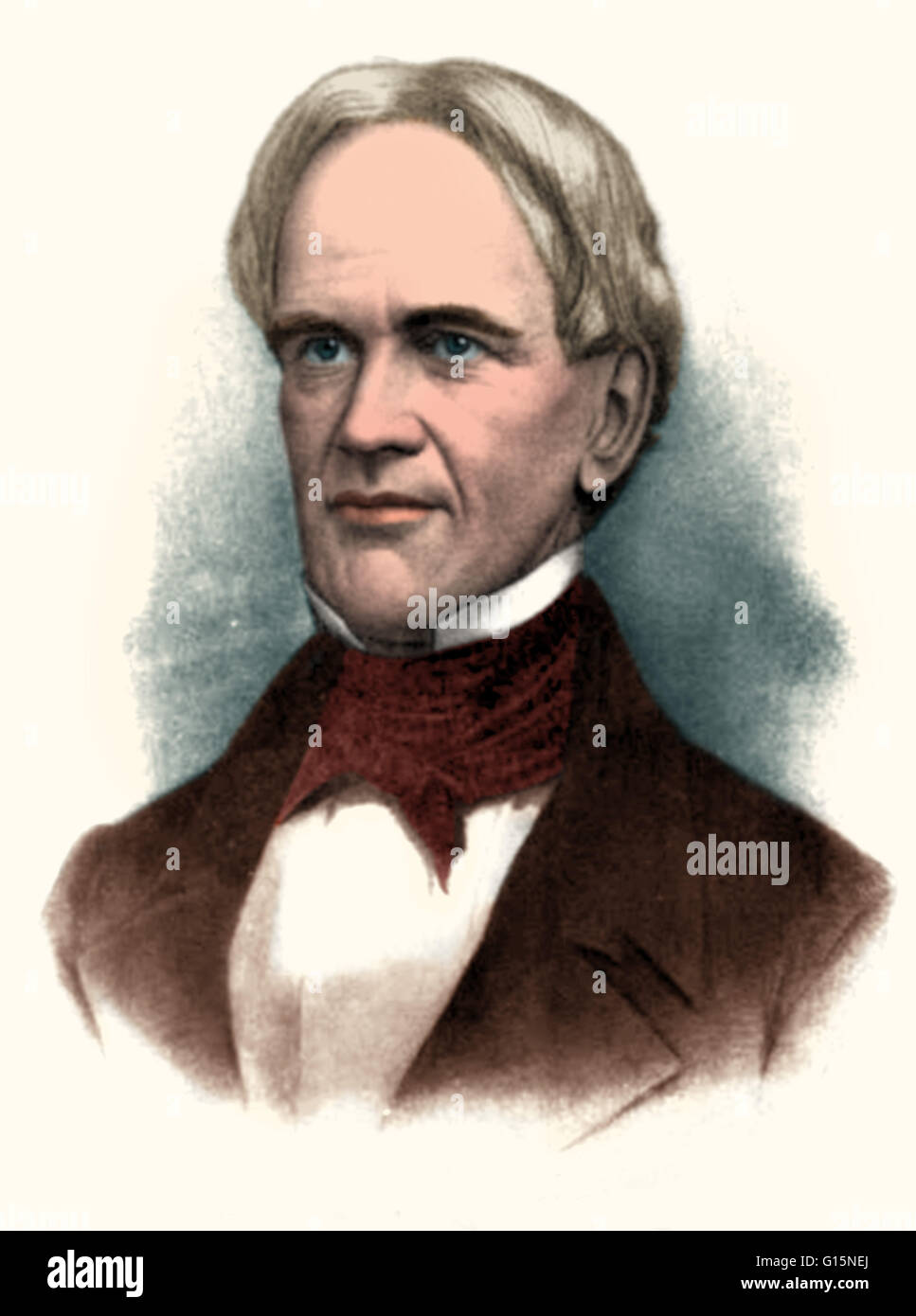
Horace Mann 1837 Secretary of The State Board of Education
Assignment B The One World Schoolhouse , Salman Khan
After watching the video Short History of American School and reading Khans One World Schoolhouse it has encouraged me to think about how our modern education system developed and why many of its basic structures still exist today. It pointed out that features such as students being grouped by age, one teacher leading a classroom, fixed schedules, bells, standardized testing, grades, and a common curriculum have become so familiar that we rarely stop to question whether they continue to meet the needs of today's students. Looking at the history of education helped me realize that many of these practices were designed to educate large numbers of students efficiently during the Industrial Revolution, but that does not necessarily mean they are still the best approach.
One idea that stood out to me was the concept that education should be viewed as something that is continually evolving rather than a system that remains unchanged simply because of tradition. Schools should be willing to adapt teaching methods, classroom structures, and curricula as we learn more about how students develop and learn. As an elementary school nurse, I administer ADHD medication to many students every day. It often makes me wonder whether some students would be more successful if classrooms were structured differently. For example, younger students typically spend the entire day in one classroom, while older students change classes throughout the day. I sometimes wonder whether increased movement, different learning environments, or more varied instructional approaches could help some students maintain focus and engagement.
The discussion about standardized testing also resonated with me because I believe schools often place too much emphasis on test scores when evaluating student success. Standardized tests can provide useful information, but they do not always reflect a student's true abilities, intelligence, or potential. Some students experience significant test anxiety, while others learn best through hands-on experiences, problem-solving, or creative projects rather than memorization and timed exams. When schools rely too heavily on standardized testing, students who have strengths outside of traditional academics may be overlooked.
I also believe schools should do a better job of presenting multiple pathways to success after graduation. High schools often emphasize attending a four-year college, while trade schools, apprenticeships, community colleges, and other skilled career paths receive less attention. Reading Stigma of Choosing Trade School over College reinforced my belief that these careers deserve greater respect and recognition. Skilled trades such as welding, plumbing, electrical work, construction, and automotive technology require knowledge, problem-solving skills, and technical expertise, yet students who pursue these careers are sometimes viewed as less successful simply because they did not choose a traditional college path. Reducing this stigma would help students feel more confident pursuing careers that align with their interests and strengths.
Salman Khan's ideas in The One World Schoolhouse also align with my views on education. I agree that students should be allowed to master concepts before moving on instead of progressing based solely on a predetermined schedule. Learning occurs at different rates, and students benefit when instruction is flexible enough to meet their individual needs. This is one reason many families, particularly those with children who have ADHD or other learning differences, choose homeschooling or alternative educational settings. Every child learns differently, and a one-size-fits-all educational system cannot fully support every student's potential. Overall, the video and readings reinforced my belief that education should continue evolving to recognize diverse learning styles, reduce the emphasis on standardized testing, and value multiple definitions of student success. It's time to blow the dust off of this standard educational model.